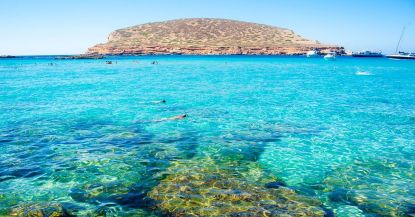
The Sea in Winter
Blue Ocean Ibiza
The Mediterranean in winter is not a hostile sea, it is an honest one. Sailing in Ibiza during the low season is not about bravery or improvisation; it’s about judgement. About reading the environment, interpreting signals, and making sound decisions. When done properly, winter offers some of the most beautiful and serene sailing experiences of the year.
The Value of Knowing When and How to Sail
There is a common belief: “you don’t sail in winter.” The reality is different: you sail differently.
The sea itself is not more aggressive, but it does demand attention and planning. In return, it offers silence, space, and a level of connection that’s hard to find in summer.
Blue Ocean Ibiza insight: risk doesn’t come from the season, but from ignoring the context.
What Really Changes at Sea During Winter
Light and Usable Hours
In winter, days are shorter. This isn’t a limitation, it’s a clear framework. The best sailing hours usually fall between 11:00 a.m. and 4:00 p.m., when the sun is higher and the sea more stable.
Planning a realistic outing, without unnecessarily extending it, is one of the most important safety factors.
Wind and Sea Conditions
The wind can be more changeable, but also cleaner. In winter, forecasts are often clearer and less affected by heavy maritime traffic.
Knowing how to interpret:
-
Wind direction
-
Wind trend (increasing or decreasing)
-
Overall sea state beyond a single moment
makes the difference between an uncomfortable outing and a perfect experience.
Maritime Traffic
One of winter’s greatest advantages: fewer boats.
This means less stress at anchorages, more space to manoeuvre, and smoother navigation overall.
Reading the Mediterranean: Basic Signs Before Setting Sail
Before leaving port, there are signals worth observing, even before checking an app:
-
Sea colour: darker waters often indicate depth and stability; sudden changes may signal wind.
-
Clouds: in winter, they speak louder than in summer.
-
Thermal sensation: the body often notices changes before the data does.
And of course, relying on official information and nautical charts is essential for safe navigation. The Spanish Navy’s Hydrographic Institute provides official nautical charts and cartographic information for safe navigation in Spanish waters.
Making the Right Call: When to Sail and When Not To
Often, the best nautical decision is not to go out, and that, too, is intelligent sailing. Knowing when to cancel, shorten, or modify a route is not a failure; it’s a sign of experience.
At Blue Ocean Ibiza, this judgement is part of the service: adapting every outing to the real conditions of the day, not to an ideal plan.
Good sailing means knowing when to let go in time.
Calm Safety: Sailing Without Fear, With Respect
Winter sailing shouldn’t create tension. With proper planning, the right boat, and solid local knowledge, the experience is safe and deeply rewarding.
Key aspects to consider:
-
Shorter, more protected routes
-
Sandy seabeds for anchoring
-
Clear communication on board
-
A pace adapted to the day
For these outings, many sailors choose manageable and versatile boats such as RIBs, or sailboats, which allow for a more conscious and quiet way of navigating.
Sailing with Professionals Makes All the Difference
In the low season, more than ever, the experience of the crew matters. Knowing the island, local winds, and natural shelters transforms a regular trip into a memorable one.
If you have questions before deciding, our team is available to guide you based on real experience. You can start by reviewing common concerns in our Frequently Asked Questions section.
Request availability and sail in winter with confidence and good judgement in Ibiza.
Details
-
Published
28 January 2026 -
Updated
28 January 2026 -
Category
News -
Tags